
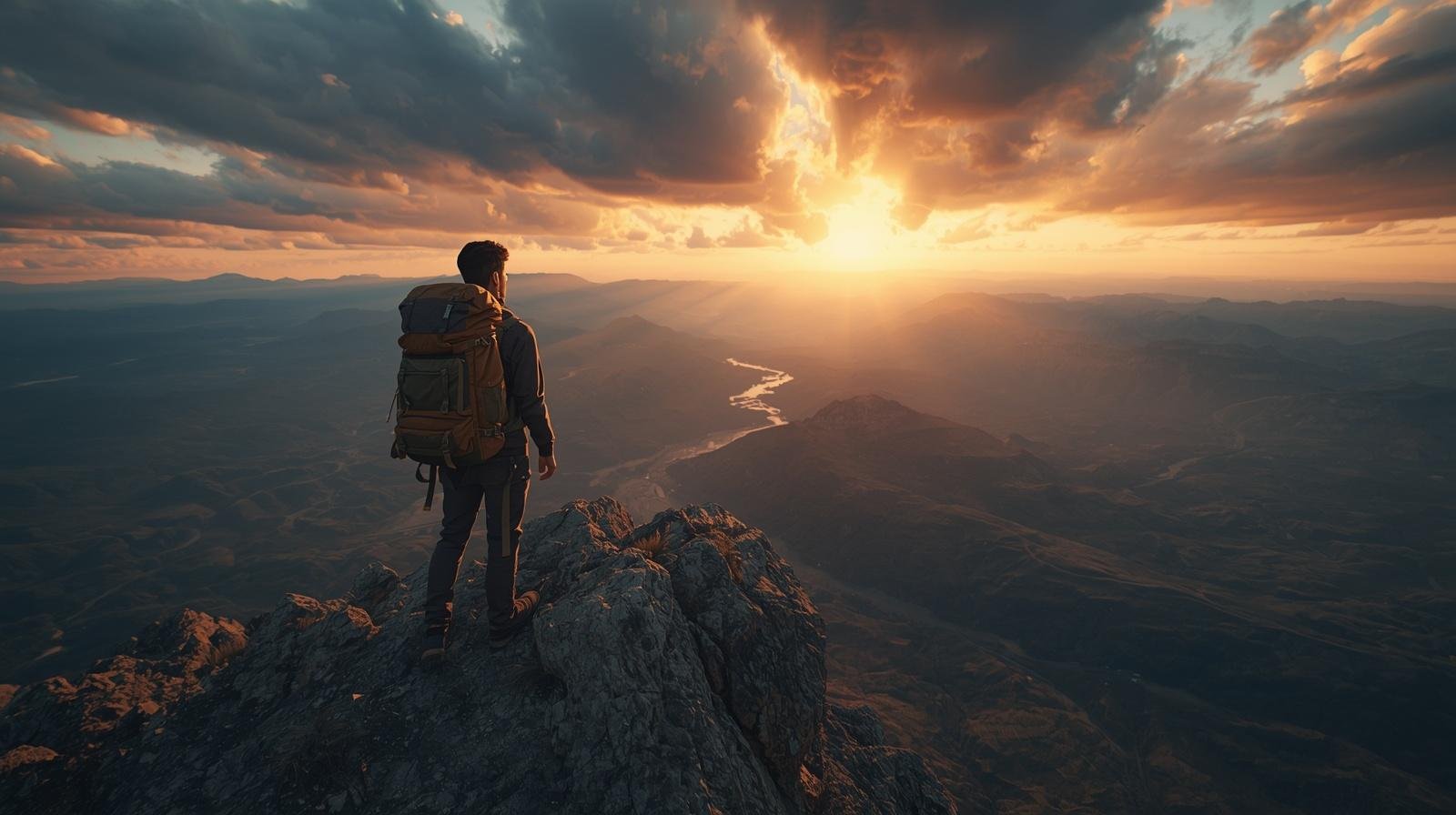
Adventure travel has become one of the most exciting and fast-growing forms of tourism in 2026. It goes beyond traditional sightseeing and focuses on exploration, physical activity, and immersive experiences in some of the world’s most remarkable natural and remote locations.
Unlike standard travel, where comfort and convenience are often the priority, adventure travel is about stepping into the unknown. It combines discovery, challenge, and a deep connection with nature, allowing travelers to experience the world in a more active and meaningful way.
What Is Adventure Travel?
Adventure travel refers to trips that involve exploration of natural or remote environments, often with an element of physical activity or challenge.
Common forms of adventure travel include:
- Mountain trekking and hiking
- Desert expeditions
- Jungle exploration
- Arctic and polar travel
- Ocean and island hopping
- Wildlife safaris
- Volcano climbing
- Glacier walks
- Remote camping and overlanding
- Cave exploration
These journeys often take travelers far from urban environments into landscapes that are raw, unpredictable, and visually stunning.
The Appeal of Adventure Travel
Adventure travel continues to grow because it offers something deeper than sightseeing. It creates experiences that are personal, intense, and memorable.
Experiencing the World Firsthand
Adventure travel removes the barrier between the traveler and the environment. Instead of viewing nature from a distance, travelers become part of it.
Walking through a forest, crossing a river, or climbing a mountain allows for direct engagement with the natural world.
A Sense of Discovery
One of the strongest motivations behind adventure travel is discovery. Many destinations offer landscapes and ecosystems that are untouched or rarely visited.
This sense of exploration creates excitement and curiosity, making each journey unique.
Escaping Routine Life
Modern life is often structured and predictable. Adventure travel provides a break from routine and introduces unpredictability, challenge, and freedom.
This contrast is one of the reasons many travelers return to adventure experiences repeatedly.
The Natural Wonders of the World
Adventure travel often takes place in some of the most extraordinary environments on Earth.
Mountains and High Altitudes
Mountain ranges offer some of the most iconic adventure destinations. From the Himalayas to the Andes, these regions challenge physical endurance while offering breathtaking views.
Deserts and Arid Landscapes
Desert regions provide vast, silent landscapes that test endurance and navigation skills. The extreme conditions create a unique sense of isolation and beauty.
Oceans and Marine Environments
The world’s oceans are rich with adventure opportunities, including diving, surfing, sailing, and marine wildlife exploration.
Coral reefs, deep-sea ecosystems, and island chains offer unmatched biodiversity.
Forests and Jungles
Dense forests and rainforests are among the most biologically diverse places on Earth. They offer opportunities for trekking, wildlife observation, and ecological exploration.
Polar Regions
The Arctic and Antarctic regions represent some of the most extreme environments. Adventure travel here involves glaciers, ice fields, and unique wildlife adapted to harsh conditions.
Physical and Mental Benefits of Adventure Travel
Adventure travel is not just about scenery. It also has significant physical and mental benefits.
Physical Fitness
Many adventure activities require:
- Strength and endurance
- Cardiovascular fitness
- Balance and coordination
- Flexibility and agility
Activities like trekking, kayaking, and climbing naturally improve overall fitness levels.
Mental Strength
Adventure travel challenges the mind as much as the body. Travelers often face:
- Uncertainty
- Fatigue
- Environmental challenges
- Decision-making under pressure
These experiences build resilience, confidence, and adaptability.
Stress Relief
Being surrounded by nature and disconnected from daily pressures can reduce stress and improve mental clarity.
Many travelers describe adventure travel as a reset for the mind.
Responsible Adventure Travel
As adventure travel grows, responsible practices are becoming more important.
Respecting Nature
Travelers are encouraged to:
- Stay on designated trails
- Avoid disturbing wildlife
- Minimize environmental impact
- Leave no trace behind
Safety Awareness
Proper preparation is essential. This includes:
- Using appropriate gear
- Understanding weather conditions
- Traveling with guides when needed
- Following safety instructions
Supporting Local Communities
Adventure tourism often supports remote communities through:
- Local guides
- Eco-lodges
- Cultural experiences
- Small businesses
This helps create sustainable economic benefits.
The Role of Technology in Adventure Travel
Technology is improving how people explore remote destinations.
Modern tools include:
- GPS navigation systems
- Satellite communication devices
- Weather forecasting apps
- Fitness and altitude trackers
- Digital travel planning platforms
These tools enhance safety and make remote exploration more accessible.
Why Adventure Travel Matters Today
Adventure travel is more than recreation. It connects people with nature, promotes physical activity, and encourages personal growth.
In a world dominated by digital experiences, it offers something real, challenging, and grounding.
It also builds awareness about environmental preservation by exposing travelers to fragile ecosystems and natural beauty worth protecting.
The Future of Adventure Travel
The future of adventure travel is expected to focus on sustainability, accessibility, and deeper experiences.
Key trends include:
- Growth of eco-friendly adventure tourism
- Increased interest in off-grid travel
- Smarter safety technology
- Community-led travel experiences
- More personalized adventure planning
As interest grows, the emphasis will remain on balancing exploration with responsibility.
Final Thoughts
Adventure travel opens the door to the world’s most extraordinary landscapes and experiences. It challenges the body, sharpens the mind, and deepens appreciation for nature.
Whether crossing mountains, exploring deserts, or diving into oceans, each journey offers a reminder of how vast and diverse the planet truly is.
In the end, adventure travel is not just about seeing the world. It is about experiencing it fully, pushing limits, and discovering wonders that stay with you long after the journey ends.