
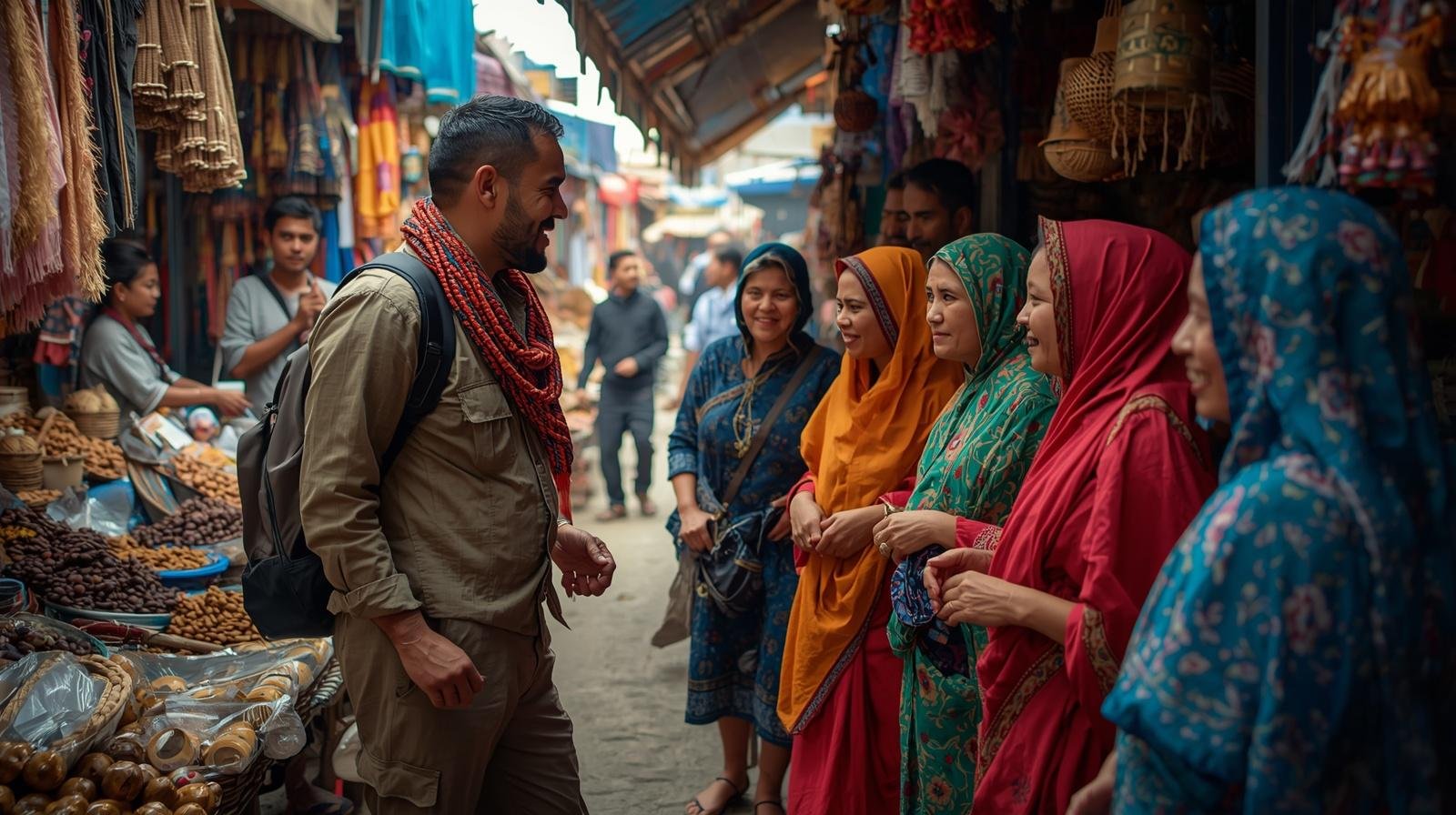
Cultural tourism has become one of the most meaningful forms of travel in 2026. While many travel experiences focus on scenery or adventure, cultural tourism focuses on people, traditions, history, and ways of life. It allows travelers to step into different cultures, understand them from within, and build connections that go beyond borders.
In a world that is increasingly interconnected yet socially divided, cultural tourism plays an important role in promoting understanding, respect, and global awareness.
What Is Cultural Tourism?
Cultural tourism refers to travel experiences centered around learning about the culture of a destination. This includes its history, traditions, language, art, food, and everyday lifestyle.
Common cultural tourism experiences include:
- Visiting historical monuments and heritage sites
- Exploring museums and art galleries
- Attending local festivals and ceremonies
- Experiencing traditional music and dance
- Learning local crafts and skills
- Participating in community-based tourism
- Trying regional cuisine
Instead of observing culture from a distance, cultural tourism encourages direct engagement and participation.
How Cultural Tourism Builds Global Understanding
One of the most powerful outcomes of cultural tourism is its ability to break stereotypes and build empathy.
Breaking Cultural Barriers
When travelers experience a culture firsthand, assumptions and misconceptions often disappear. Real interactions with local people help replace stereotypes with understanding.
Simple conversations, shared meals, and community experiences can reveal how similar people are across different parts of the world, despite differences in language or customs.
Encouraging Mutual Respect
Cultural tourism promotes respect for diversity. Travelers learn to appreciate traditions that may be different from their own, while local communities gain exposure to different perspectives as well.
This exchange creates a two-way relationship based on curiosity and respect rather than judgment.
Building Human Connections
At its core, cultural tourism is about people. Whether it is staying in a local home, attending a village festival, or learning a traditional craft, these experiences create meaningful human connections that often last beyond the trip itself.
The Role of Heritage and History
Historical sites and cultural landmarks are central to cultural tourism. They help preserve collective memory and tell the story of a place and its people.
Preserving Cultural Identity
Heritage sites such as ancient cities, temples, monuments, and traditional neighborhoods preserve the identity of communities. Cultural tourism helps maintain and restore these places by generating funding and awareness.
Learning From the Past
Museums and historical sites allow travelers to understand how societies have evolved over time. This knowledge helps create a deeper appreciation of cultural diversity and shared human history.
Responsible Heritage Tourism
Respectful behavior is essential when visiting cultural sites. This includes:
- Following local rules and guidelines
- Avoiding damage to historical structures
- Respecting sacred or religious spaces
- Supporting preservation efforts
Responsible tourism ensures that cultural heritage remains protected for future generations.
Cultural Exchange Through Daily Life
Cultural tourism is not limited to famous landmarks. Everyday life offers some of the most authentic cultural experiences.
Local Food and Cuisine
Food is one of the strongest expressions of culture. Trying local dishes allows travelers to experience traditions, ingredients, and cooking methods unique to a region.
Street food markets, home-cooked meals, and traditional restaurants all offer insight into daily life.
Language and Communication
Even learning a few basic words in a local language can create meaningful connections. Language is a key part of identity, and small efforts to communicate are often appreciated by local communities.
Traditions and Festivals
Festivals provide a window into cultural values and beliefs. Whether religious or seasonal, these events showcase music, dance, clothing, and rituals that define a community’s identity.
The Economic Impact of Cultural Tourism
Cultural tourism also supports local economies.
Supporting Local Communities
Tourists often contribute directly to:
- Local artisans and craftsmen
- Small businesses and markets
- Family-owned accommodations
- Cultural guides and educators
This helps preserve traditional livelihoods and reduces economic inequality.
Sustainable Development
When managed responsibly, cultural tourism encourages sustainable economic growth without damaging cultural integrity. It provides income while preserving traditions rather than replacing them.
Challenges in Cultural Tourism
Despite its benefits, cultural tourism must be carefully managed.
Cultural Commercialization
Over-commercialization can reduce authentic cultural experiences. When traditions are performed only for tourists, they risk losing their original meaning and value.
Over-Tourism
Excessive visitor numbers can strain communities, damage heritage sites, and disrupt local life.
Respect and Sensitivity
Not all cultural practices are meant for public display. Travelers must understand boundaries and behave respectfully in sacred or private spaces.
The Role of Technology in Cultural Tourism
Technology has transformed how people explore and understand cultures.
Modern tools include:
- Virtual museum tours
- Digital translation apps
- Online cultural archives
- Interactive travel guides
- Augmented reality heritage experiences
These tools make cultural knowledge more accessible while enhancing real-world travel experiences.
Why Cultural Tourism Matters Today
In an age of globalization, cultural tourism helps preserve diversity while encouraging unity. It allows people to see the world not as separate regions, but as interconnected human societies.
By experiencing different ways of life, travelers develop empathy, reduce prejudice, and gain a broader understanding of humanity.
The Future of Cultural Tourism
The future of cultural tourism is expected to become more immersive, educational, and community-driven.
Key trends include:
- Growth of community-based tourism projects
- Increased focus on authentic local experiences
- Use of digital tools for cultural education
- Stronger heritage preservation policies
- More sustainable and responsible travel practices
As interest grows, the focus will remain on balancing accessibility with cultural protection.
Final Thoughts
Cultural tourism is more than travel. It is a bridge between people, traditions, and histories.
By engaging with different cultures respectfully, travelers gain insight into the richness of human diversity while helping preserve it for future generations.
In a divided world, cultural tourism offers something powerful: understanding. And that understanding is what brings people closer, one journey at a time.