
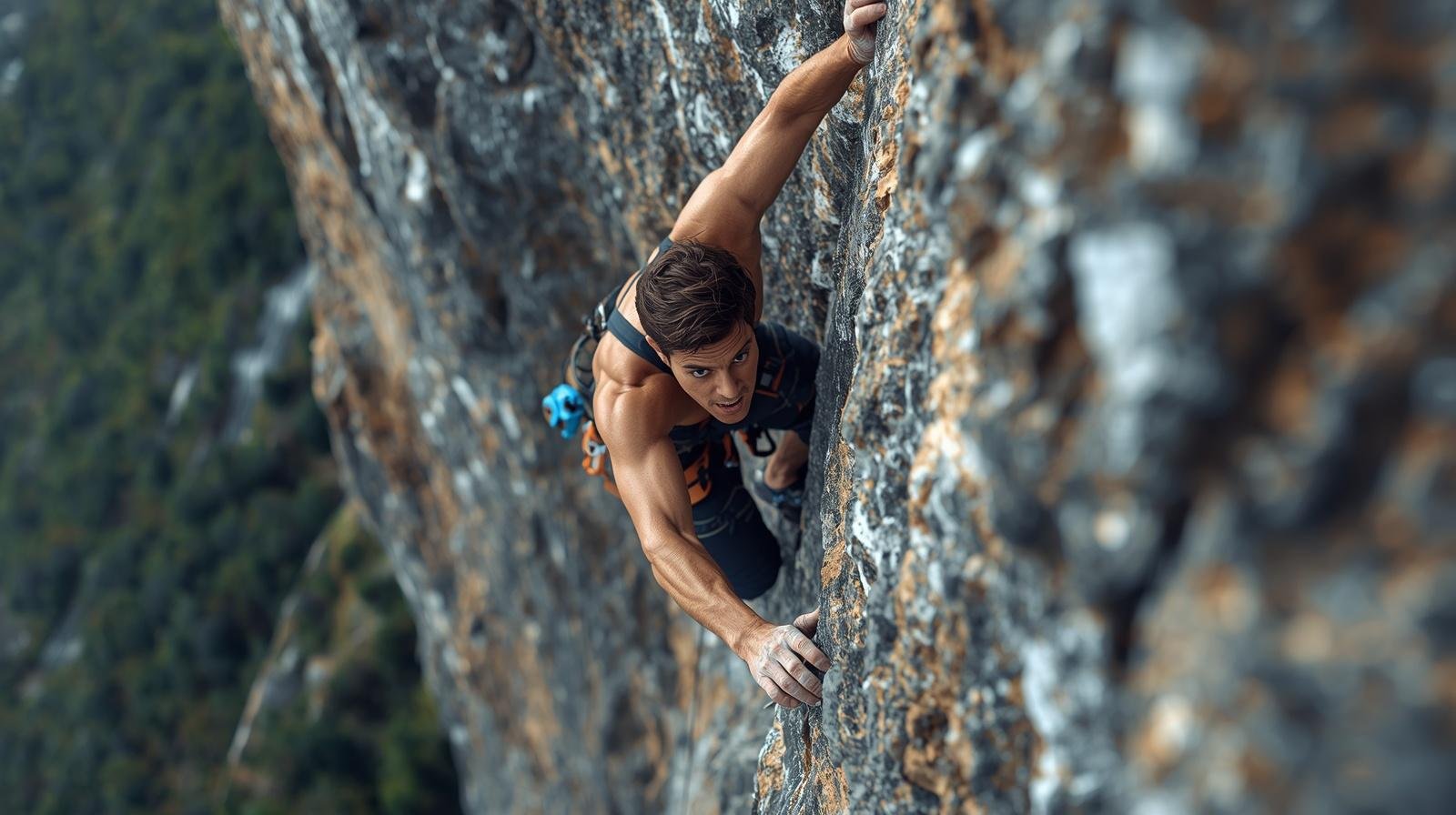
Adventure sports have become more than just recreational activities. In 2026, they represent a growing movement that combines physical challenge, mental resilience, personal growth, and a desire to explore environments beyond everyday comfort zones. From scaling mountain peaks and navigating whitewater rapids to skydiving and ultra-distance trail running, adventure sports continue to attract people seeking experiences that test both body and mind.
Unlike traditional sports that often take place in controlled environments, adventure sports frequently involve unpredictable conditions, natural terrain, and real-world challenges. Participants must rely not only on physical strength but also on judgment, adaptability, and determination. This unique combination is what makes adventure sports one of the most demanding and rewarding forms of human activity.
What Are Adventure Sports?
Adventure sports are activities that involve a degree of risk, physical exertion, and environmental challenge. They often take place outdoors and require participants to navigate natural conditions that can change rapidly.
Popular adventure sports include:
Rock climbing
Mountaineering
Whitewater rafting
Paragliding
Skydiving
Scuba diving
Trail running
Mountain biking
Surfing
Snowboarding
Caving
Kayaking
Bungee jumping
Desert trekking
Each discipline presents its own unique obstacles, requiring specialized skills, training, and preparation.
The Physical Demands of Adventure Sports
One reason adventure sports continue to grow in popularity is their ability to challenge the entire body. Unlike repetitive gym workouts, many adventure activities engage multiple muscle groups while requiring balance, coordination, endurance, and agility.
Building Strength and Endurance
Activities such as rock climbing, mountain biking, and mountaineering require sustained physical effort over long periods. Participants often develop:
Improved cardiovascular fitness
Greater muscular endurance
Enhanced flexibility
Better balance and coordination
Increased core strength
The physical requirements can be significant. Climbing steep terrain, carrying equipment, or navigating difficult landscapes demands both stamina and determination.
Full-Body Engagement
Many adventure sports require continuous adaptation to changing conditions. A kayaker navigating rapids, for example, must coordinate upper-body strength, balance, reaction time, and decision-making simultaneously.
This level of engagement creates workouts that are both physically challenging and mentally stimulating.
Recovery and Adaptation
Adventure athletes often place a strong emphasis on recovery. Proper nutrition, hydration, sleep, and injury prevention play essential roles in maintaining performance and supporting long-term participation.
The demands of these activities encourage individuals to develop healthier habits and a deeper understanding of their physical capabilities.
The Mental Challenges Are Equally Important
While physical fitness is essential, many experienced athletes argue that the greatest challenge in adventure sports is mental rather than physical.
Facing Fear
Fear is a natural response when standing at the edge of a cliff, preparing for a skydive, or descending into an unexplored cave system. Adventure sports teach participants how to manage fear rather than eliminate it.
Athletes learn to:
Stay calm under pressure
Make rational decisions
Focus on the present moment
Trust their training and preparation
These skills often transfer into everyday life, helping individuals handle stressful situations more effectively.
Developing Mental Resilience
Adventure sports frequently involve setbacks. Weather changes, equipment issues, unexpected obstacles, and physical exhaustion can all disrupt plans.
Success often depends on persistence, patience, and adaptability.
Participants learn that progress is rarely linear. Every challenge becomes an opportunity to build resilience and confidence.
Improving Focus and Awareness
Many adventure activities demand complete concentration. A momentary lapse in attention can have serious consequences.
This level of focus encourages:
Greater situational awareness
Improved concentration
Faster decision-making
Enhanced problem-solving skills
The immersive nature of adventure sports often creates a state of deep engagement where distractions disappear and attention remains fixed on the task at hand.
The Role of Risk in Adventure Sports
Risk is often associated with adventure sports, but successful participants do not seek danger for its own sake. Instead, they learn how to manage risk through preparation, education, and experience.
Professional athletes and experienced enthusiasts typically spend countless hours developing skills before attempting advanced challenges.
Risk management may involve:
Safety training
Equipment inspections
Environmental assessments
Emergency planning
Weather monitoring
Professional instruction
The goal is not reckless behavior but informed decision-making.
Understanding risk is a fundamental part of responsible participation.
Why Adventure Sports Continue to Grow
The popularity of adventure sports has increased significantly over the past decade.
Several factors contribute to this trend.
Desire for Authentic Experiences
Many people seek experiences that feel meaningful and memorable. Adventure sports provide opportunities to step away from routine and engage with real-world challenges.
The sense of accomplishment that comes from reaching a summit or completing a difficult route often leaves a lasting impact.
Connection With Nature
Adventure sports frequently take place in some of the world’s most beautiful environments.
Participants may explore:
Mountain ranges
Forests
Rivers
Oceans
Deserts
Remote wilderness areas
This connection with nature can improve well-being and provide a welcome break from digital distractions.
Personal Growth
Adventure sports often reveal capabilities that participants did not know they possessed.
Completing a demanding challenge can increase:
Self-confidence
Independence
Discipline
Determination
Leadership skills
The lessons learned often extend far beyond the activity itself.
Technology Is Transforming Adventure Sports
Modern technology continues to improve safety, accessibility, and performance.
Innovations include:
Advanced GPS navigation systems
Wearable fitness tracking devices
Lightweight protective equipment
Satellite communication tools
Performance analytics
Emergency locator beacons
These developments help participants plan more effectively and respond to challenges more safely.
At the same time, technology allows athletes to share experiences, learn from experts, and connect with global communities that share similar interests.
Safety Remains the Top Priority
While adventure sports offer excitement and challenge, safety should always come first.
Key safety practices include:
Receiving proper training
Using appropriate equipment
Understanding environmental conditions
Following expert guidance
Respecting personal limits
Preparing for emergencies
No achievement is worth compromising safety.
Responsible participation allows individuals to enjoy adventure sports while minimizing unnecessary risks.
The Future of Adventure Sports
Looking ahead, adventure sports are expected to continue evolving.
Growing interest in outdoor recreation, advances in equipment technology, and increased awareness of physical and mental health benefits are likely to attract even more participants.
Sustainability is also becoming an important focus. Many athletes and organizations are promoting responsible practices that help preserve natural environments for future generations.
As participation expands, education, safety standards, and environmental stewardship will remain critical priorities.
Final Thoughts
Adventure sports push physical and mental limits in ways few other activities can match. They challenge individuals to overcome fear, develop resilience, improve fitness, and discover strengths that may otherwise remain hidden.
Whether climbing a mountain, navigating a river, or running across rugged terrain, participants learn valuable lessons about preparation, perseverance, and personal growth.
The appeal of adventure sports lies not simply in the thrill of the challenge but in the transformation that often follows. By stepping beyond comfort zones and embracing uncertainty, individuals gain experiences that build confidence, strengthen character, and create lasting memories.
For many people, adventure sports are not just activities. They are opportunities to explore the boundaries of human potential and discover what is possible when determination meets challenge.