
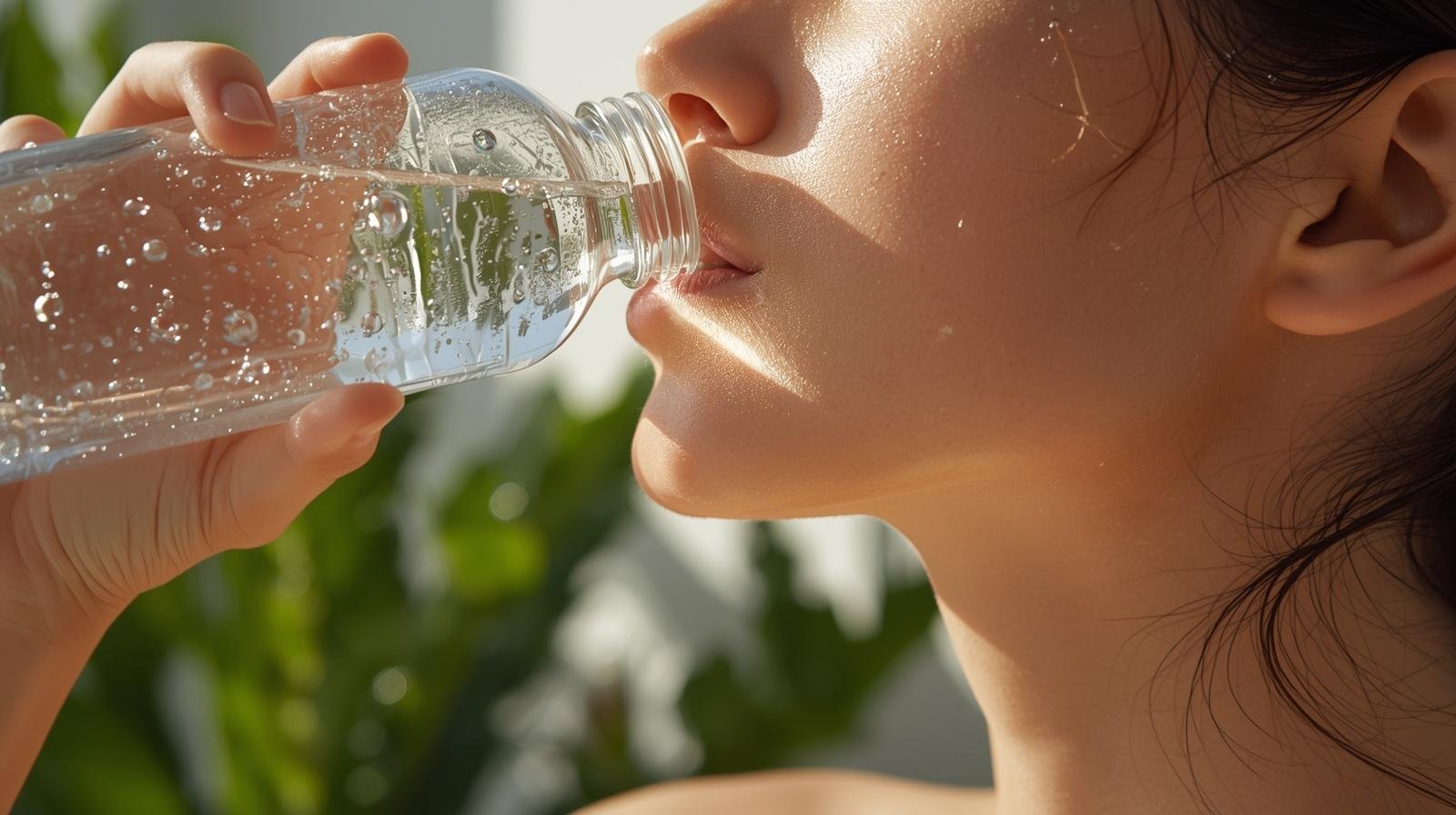
Hydration is one of the most fundamental yet often overlooked aspects of health. In 2026, despite advances in nutrition science and wellness technology, many people still underestimate how directly water intake affects skin health, energy levels, cognitive performance, and overall physical function.
The human body is made up of approximately 60% water, and nearly every biological process depends on it. From regulating body temperature to supporting cellular activity, hydration plays a central role in maintaining balance and efficiency within the body.
Why Hydration Matters
Water is essential for survival, but its role goes far beyond basic function. It supports:
- Cellular energy production
- Nutrient transport
- Waste removal
- Temperature regulation
- Joint lubrication
- Brain function
Even mild dehydration can disrupt these processes and lead to noticeable declines in physical and mental performance.
Hydration and Energy Levels
One of the first areas affected by dehydration is energy.
How Dehydration Causes Fatigue
When the body lacks sufficient water:
- Blood volume decreases
- Oxygen delivery becomes less efficient
- The heart works harder to circulate blood
- Cellular energy production slows down
This combination often results in fatigue, sluggishness, and reduced physical performance.
Improved Physical Endurance
Proper hydration helps maintain stamina during daily activities and exercise. It supports:
- Better oxygen flow
- More efficient muscle function
- Reduced risk of cramps and exhaustion
Even small improvements in hydration status can noticeably increase energy levels.
Hydration and Brain Function
The brain is highly sensitive to hydration levels. Water directly affects cognitive performance and mental clarity.
Focus and Concentration
Dehydration can lead to:
- Difficulty concentrating
- Slower reaction times
- Reduced alertness
- Mental fog
Proper hydration helps maintain consistent brain function throughout the day.
Mood Stability
Studies suggest that dehydration may contribute to irritability, stress, and mood fluctuations. Staying hydrated supports emotional balance and mental stability.
Hydration and Skin Health
Skin is one of the most visible indicators of hydration status. Water plays a key role in maintaining skin structure and appearance.
Skin Elasticity and Texture
Well-hydrated skin tends to be:
- Smoother
- More elastic
- Less prone to dryness
- Better at maintaining natural glow
Water supports skin cell function and helps maintain moisture balance.
Reducing Dryness and Irritation
Dehydration can lead to:
- Dry or flaky skin
- Increased sensitivity
- Dull appearance
- Slower skin repair
Proper hydration supports the skin’s natural barrier function.
Supporting Skin Repair
Water is essential for cellular regeneration and repair processes, helping the skin recover from daily environmental stress.
Physical Performance and Hydration
Athletic and physical performance depend heavily on hydration levels.
Water supports:
- Muscle contraction and coordination
- Temperature regulation during exercise
- Joint lubrication
- Reduced risk of injury and cramps
Even a small drop in hydration can reduce physical output and endurance.
Signs of Dehydration
The body provides clear signals when hydration levels are low.
Common signs include:
- Fatigue or low energy
- Headaches
- Dry mouth
- Dark-colored urine
- Dizziness or lightheadedness
- Reduced focus
Recognizing these signs early helps prevent further decline in performance and well-being.
How Much Water Is Enough?
Hydration needs vary depending on:
- Activity level
- Climate and temperature
- Body size
- Diet
- Health conditions
While individual needs differ, consistent water intake throughout the day is more effective than consuming large amounts at once.
Best Practices for Staying Hydrated
Maintaining proper hydration does not require complex strategies. Simple habits can make a significant difference.
Drink Water Regularly
Instead of waiting for thirst, drink water consistently throughout the day.
Start the Day with Water
Rehydrating after sleep helps restore fluid balance and improve morning alertness.
Increase Intake During Activity
Physical activity, heat, and sweating increase fluid loss, requiring higher water intake.
Include Hydrating Foods
Fruits and vegetables such as watermelon, cucumber, and oranges contribute to overall hydration.
Common Hydration Mistakes
Many people unintentionally fall short of proper hydration due to common habits such as:
- Relying only on thirst signals
- Excessive caffeine or sugary drinks
- Inconsistent water intake
- Ignoring hydration during busy routines
Correcting these habits can significantly improve energy and well-being.
Hydration and Long-Term Health
Beyond immediate effects, hydration plays a role in long-term health outcomes.
Proper hydration supports:
- Kidney function
- Digestive health
- Cardiovascular efficiency
- Joint health
- Metabolic balance
Consistent hydration habits contribute to overall longevity and physical resilience.
The Role of Technology in Hydration Awareness
In 2026, technology is helping individuals monitor hydration more effectively.
Tools include:
- Smart water bottles
- Hydration tracking apps
- Wearable health devices
- AI-based wellness reminders
These tools encourage consistency and improve awareness of daily fluid intake.
Final Thoughts
Hydration is a simple but powerful factor in maintaining energy, skin health, and overall well-being. Its effects are immediate, noticeable, and essential for proper body function.
By maintaining consistent water intake, individuals can improve focus, increase energy levels, enhance skin appearance, and support long-term health.
In the end, hydration is not just about drinking water—it is about maintaining balance within the body. When hydration is optimized, everything from physical performance to mental clarity improves naturally and consistently.