
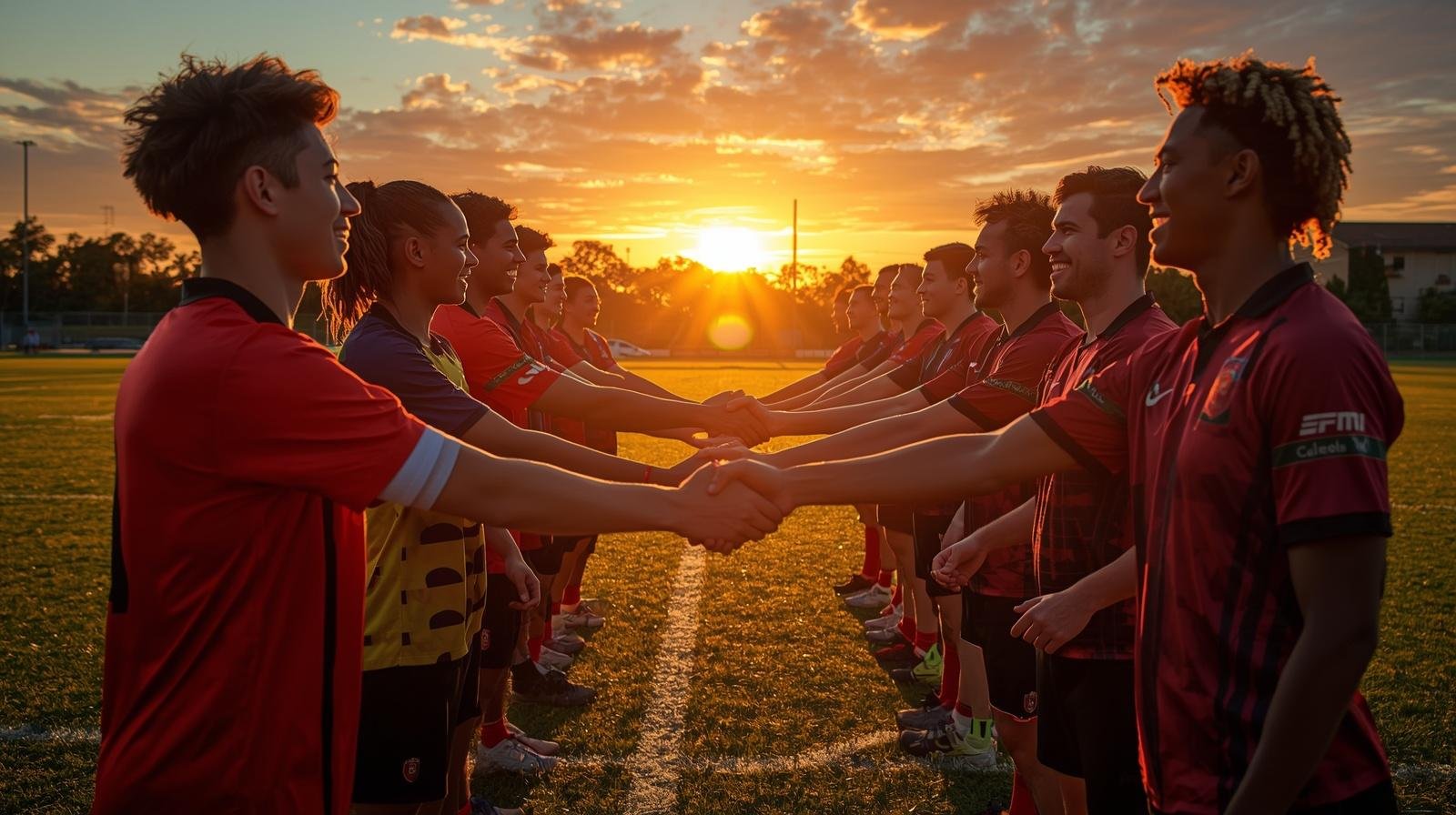
In modern sports, winning often gets most of the attention. Scores, trophies, rankings, and records dominate headlines. But in 2026, coaches, educators, and athletes continue to emphasize something far more important than results—sportsmanship.
Sportsmanship is not just about following rules. It is about respect, discipline, fairness, and how athletes behave in both victory and defeat. It shapes character, builds teamwork, and contributes to personal growth in ways that extend far beyond the playing field.
What Is Sportsmanship?
Sportsmanship refers to ethical and respectful behavior in sports. It includes how players treat opponents, teammates, officials, and the game itself.
Core elements include:
- Respect for opponents
- Fair play and honesty
- Acceptance of victory and defeat with dignity
- Following rules and regulations
- Encouraging teammates
- Respecting referees and decisions
At its core, sportsmanship is about integrity in action.
Why Sportsmanship Matters in Sports
Sports are competitive by nature, but without sportsmanship, competition loses its meaning. It ensures that the game remains fair, enjoyable, and respectful for everyone involved.
Creating a Positive Playing Environment
Good sportsmanship builds an environment where athletes can compete without hostility or unnecessary conflict. It reduces tension and encourages healthy competition.
When players respect each other, the focus shifts from conflict to performance and improvement.
Building Trust Among Players
Teams function best when players trust one another. Sportsmanship strengthens this trust by encouraging honesty, cooperation, and accountability.
Teammates who respect each other communicate better, support each other during mistakes, and work more effectively toward shared goals.
How Sportsmanship Encourages Teamwork
Teamwork is one of the most important outcomes of good sportsmanship.
Communication and Cooperation
Athletes who practice sportsmanship are more likely to communicate clearly and respectfully. This improves coordination during games and helps teams perform more efficiently.
Supporting Each Other
In team sports, mistakes are inevitable. Sportsmanship encourages players to support each other instead of blaming or criticizing.
This support system helps maintain confidence and motivation, especially during challenging moments.
Shared Responsibility
Good sportsmanship teaches players that success and failure are shared. No single player is responsible for everything, and every contribution matters.
This mindset strengthens unity within the team.
Personal Growth Through Sportsmanship
Beyond teamwork, sportsmanship plays a major role in shaping individual character.
Developing Discipline
Following rules and respecting structure helps athletes develop discipline. This discipline often carries over into other areas of life such as education, work, and personal habits.
Learning Respect
Respect is a core part of sportsmanship. Athletes learn to respect:
- Opponents
- Coaches
- Officials
- The game itself
This respect helps build maturity and emotional intelligence.
Handling Success and Failure
Sports provide constant exposure to both winning and losing. Sportsmanship teaches athletes how to handle both outcomes with balance.
- Winning with humility
- Losing with dignity
This emotional control is a valuable life skill.
Emotional Intelligence in Sports
Sportsmanship also contributes to emotional intelligence—the ability to understand and manage emotions effectively.
Athletes develop:
- Self-control under pressure
- Awareness of others’ emotions
- Ability to resolve conflicts calmly
- Better decision-making during stressful moments
These skills improve performance and relationships both inside and outside sports.
Role of Coaches and Leaders
Coaches play a major role in promoting sportsmanship. Their behavior often sets the standard for the entire team.
Good coaching encourages:
- Fair play over winning at all costs
- Respectful communication
- Accountability for actions
- Positive reinforcement
When leaders model sportsmanship, athletes naturally follow.
Sportsmanship in Youth Development
For young athletes, sportsmanship is especially important. It shapes early attitudes toward competition and teamwork.
Youth sports programs that emphasize sportsmanship help children:
- Build confidence
- Learn cooperation
- Develop social skills
- Understand responsibility
These lessons often last a lifetime.
Challenges to Sportsmanship
Despite its importance, sportsmanship can be challenged by external pressures.
Overemphasis on Winning
When winning becomes the only goal, behavior can become aggressive or unfair. This undermines the spirit of the game.
Poor Role Models
Athletes who display unsportsmanlike behavior can negatively influence younger players.
High Emotional Pressure
Intense competition can sometimes lead to frustration, poor decisions, or conflict on the field.
Addressing these challenges requires education, awareness, and strong leadership.
The Role of Fans and Culture
Sportsmanship is not limited to players. Fans, commentators, and sports culture also play a role.
Respectful fan behavior helps create a positive atmosphere. Encouraging fair play and respecting all teams contributes to healthier sporting environments.
Sportsmanship Beyond Sports
The lessons learned through sportsmanship extend into everyday life.
People who practice sportsmanship often demonstrate:
- Better teamwork in workplaces
- Stronger communication skills
- Higher emotional control
- Greater respect for others
- Improved leadership abilities
These qualities make sportsmanship valuable far beyond athletic performance.
The Future of Sportsmanship
As sports continue to evolve with technology, media coverage, and global competition, maintaining strong sportsmanship values becomes even more important.
Future trends may include:
- Increased focus on ethics training in sports programs
- Digital monitoring of player behavior
- Stronger enforcement of fair play rules
- Education programs for young athletes
The goal is to preserve the integrity of sports while allowing competition to grow.
Final Thoughts
Sportsmanship is the foundation of meaningful competition. It transforms sports from simple games into powerful tools for personal and social development.
By encouraging respect, teamwork, discipline, and emotional control, sportsmanship shapes better athletes and better individuals.
In the end, winning matters—but how you play the game matters even more. Sportsmanship ensures that every victory is earned with integrity and every defeat becomes a lesson in growth.